The Road Ahead for Virtual Health: Trends, Transformation, and Talent



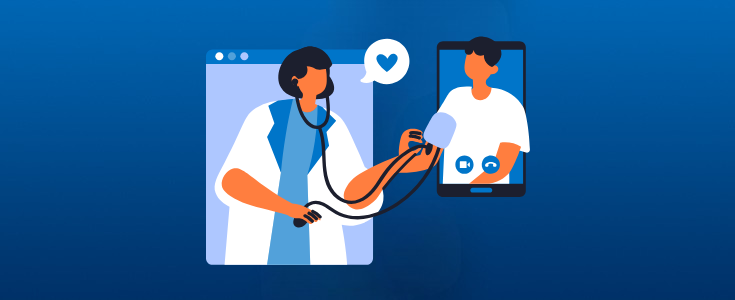
Virtual health isn’t a pandemic workaround anymore—it’s a pillar of modern care. What started as an emergency pivot has evolved into a core feature of healthcare’s operating model, blending convenience, access, and data-driven insight into how we care for patients. As virtual health trends continue to shape everything from remote monitoring for chronic disease to specialty consults, digital care is moving beyond the screen—it’s redefining the system itself.
While the technology keeps improving, the true differentiator isn’t the platform. It’s the people. The future of virtual health will be built by clinicians, coordinators, and data experts who can connect care, technology, and humanity.
At a Glance:
Virtual health is changing how professionals provide care and how medical teams collaborate. Learn how healthcare executives and clinicians are using virtual health trends to see more patients, exchange information in real time, and follow care beyond the clinic. The future of healthcare will be built by people who use technology to nurture real relationships between patients and care teams.
The Current State of Virtual Health
Today, telehealth and remote monitoring have stabilized as standard options in primary care, behavioral health, and follow-up visits. Hybrid appointments, where patients toggle between in-person and digital visits, are increasingly common.
Yet the landscape remains uneven. Many organizations mix virtual and in-person visits to give patients easier access and better follow-up. Many virtual programs still operate as parallel systems rather than integrated ones. Specialty expansion is inconsistent. Reimbursement varies by payer and state. And continuity often depends on individual teams rather than institutional strategy.
In other words, virtual health works, but it hasn’t yet clicked into a unified, scalable model.
What’s Changing on the Road Ahead
The next wave of virtual health is linking digital tools with real-world care. Patients can visit a clinic, check in online, or share data from home, and their information follows them. For healthcare executives, it’s a way to manage patient demand and expand services. For clinicians, it means better insight into what’s happening between visits.
These trends are recultivating the healthcare landscape:
- Specialty fields such as dermatology, behavioral health, cardiology, and endocrinology are expanding digital care options.
- Glucose and heart rate monitors now track patients remotely and so that specialists can step in early when readings show a problem.
- Data from devices and EHR systems syncs in real time, giving providers a full view of each patient’s progress.
- Insurance and government programs now reimburse virtual visits and reward providers for proven patient results.
These virtual health trends point toward a more unified care system where data, people, and technology are more interconnected. So, the goal isn’t more gadgets. Instead, it’s creating a connected system where patients can get help through video visits, remote monitoring, or in-person care whenever they need it.
Opportunities Emerging in Virtual Health
Virtual health is expanding far beyond primary care. Chronic condition management, post-acute recovery, and even hospital-at-home models are emerging as major growth arenas. These models allow health systems to reduce readmissions, engage patients more consistently, and personalize care through continuous data feedback.
For organizations, virtual health offers:
- Scalability: Reach more patients without expanding physical infrastructure.
- Efficiency: Leverage automation and analytics to reduce administrative load.
- Retention: Improve patient satisfaction and loyalty through convenience and proactive engagement.
For clinicians and digital health professionals, it creates:
- New career paths: Roles that blend clinical insight with digital fluency.
- Flexibility: Opportunities to practice across settings or remotely.
- Impact: The ability to extend high-quality care to underserved or rural populations.
The road ahead isn’t just digital—it’s human-centered digital.
The Roles That Will Propel Your Workforce Strategy Forward
Each move forward in virtual health reshapes the work itself. Hospital executives and department managers have to rethink how they hire and support new roles. Clinicians need to keep sharpening the skills that let them deliver care on screen and in person.
- Hybrid virtual clinicians — Advanced practice providers and nurses who balance digital and in-person caseloads. They manage complex care plans across multiple settings and maintain consistent patient treatment in the clinic or on the screen.
- Virtual care coordinators and navigators — Professionals who guide patients through scheduling, education, and follow-up. They make hybrid care understandable and accessible.
- Remote monitoring specialists and data analysts — Experts who translate data streams into meaningful insights. They alert their team to clinical changes before they become complications.
- Clinical informatics and integration leads — Architects who connect systems, devices, and workflows so data flows freely. Their work enables clinical efficiency and secure collaboration.
- Change facilitators and virtual training leads — Professionals who help medical staff adapt to digital environments. They teach and build competency in technology-enabled care.
Medix: Helping You Build a Workforce for the Future of Care
The future of virtual health trends depends on people who can connect care with technology. Progress will come from those who know how to turn digital tools into real results for patients.
Medix helps healthcare organizations build teams that keep virtual care strong. We also connect clinicians and digital professionals to roles where innovation improves lives. The future of care is already here, and it’s human.
Let’s build the right team that prepares you for the future of virtual healthcare. Contact us today to get started.



Work with a Trusted Healthcare and Life Sciences Staffing Partner
Connect with Medix to get the expertise and resources you need to succeed.